


Introduction to Natural and Research-Based Agricultural Products In recent years, the agricultural sector has increasingly turned towards natural and research-based products as a means of fostering sustainable farming practices. These products, derived from organic sources or developed through rigorous scientific research, play a crucial role in enhancing crop yields while minimizing environmental impact. As the global population continues to rise and the demand for food becomes more pressing, the urgency for innovative agricultural solutions has never been greater. Natural agricultural products, such as organic fertilizers and biopesticides, offer environmentally friendly alternatives to conventional chemicals. Unlike synthetic options, these products are often biodegradable and pose less risk to non-target organisms, including beneficial insects and microbial populations in the soil. This way, farming practices that utilize natural inputs can help restore ecological balance, promote biodiversity, and improve soil health, leading to a more resilient agricultural system. Research-based agricultural products, on the other hand, are the result of extensive scientific investigation and technological advancements. Tools such as advanced precision farming techniques and genetically improved seed varieties exemplify this trend. By integrating science with traditional farming knowledge, these products are designed to address specific challenges faced by farmers, such as pest resistance, soil fertility, and climate variability. For instance, products like Aura, Rozon, Tejas-V, and D-Fence-555 have been developed to provide targeted solutions that enhance productivity while ensuring sustainable practices. The significance of combining natural elements with research-based approaches cannot be overstated. This synergy not only maximizes crop output but also supports the overall health of the ecosystem. By embracing these progressive methods, farmers can cultivate a more sustainable future, ensuring food security while preserving the environment for generations to come. The ongoing evolution of these products will be further explored in the subsequent sections of this blog post. Understanding the Role of Natural Products in Sustainable Farming Natural products play a pivotal role in promoting sustainable farming practices. By their very nature, these products are derived from organic sources and are often less harmful to the environment compared to synthetic alternatives. One of the primary contributions of natural products to sustainable agriculture is their ability to maintain and enhance soil health. Healthy soil is essential for crop production, as it serves as the foundation for nutrient availability and water retention. Natural amendments, such as compost and cover crops, improve soil structure and enrich nutrient profiles, fostering an ecosystem conducive to robust plant growth. Moreover, the use of natural products significantly reduces reliance on chemical inputs, which can lead to soil degradation and declining biodiversity. Chemical fertilizers and pesticides often disrupt the natural balance of ecosystems, harming beneficial organisms while promoting pest resistance. By incorporating natural fertilizers and pest control methods, such as neem oil or beneficial insects, farmers can cultivate crops in a manner that sustains both agricultural productivity and ecological health. Furthermore, the implementation of natural products can promote biodiversity within farming systems. Natural products encourage the presence of a variety of organisms, including soil microbes, earthworms, and above-ground pollinators, all crucial for a resilient agricultural ecosystem. For instance, planting diverse cover crops can draw beneficial insects that pollinate crops, leading to healthier and more abundant yield. This approach enhances not only crop quality but also promotes a balanced environment that supports other wildlife. In summary, the integration of natural products in sustainable farming is critical for maintaining soil health, reducing harmful chemical inputs, and fostering biodiversity. These practices not only lead to healthier crops but also support the overall well-being of ecological systems, highlighting the importance of natural and research-based products in agricultural sustainability. Aura: Promoting Uniform Growth in Crops Aura is a cutting-edge product designed to enhance uniform growth in crops, significantly impacting agricultural productivity. This innovative solution embodies the principles of research-based agricultural methods, using natural ingredients that work synergistically with plant biology. The fundamental mechanism of action involves promoting balanced nutrient uptake and fostering healthier root systems, allowing plants to access essential minerals more effectively. Implementing Aura into a crop cultivation regimen involves various application techniques tailored to specific farming conditions. Farmers can apply Aura as a foliar spray or through soil treatment, depending on the crop type and growth stage. The flexibility of application ensures that farmers can incorporate it seamlessly into their existing agricultural practices, leading to minimal disruption while maximizing its benefits. The recommended dosage is typically determined based on the crop and nutrient requirements, ensuring that farmers achieve optimal results without overuse. The benefits of using Aura are numerous. Firstly, the product contributes to increased yield by ensuring that crops grow uniformly and robustly. Uniform growth not only allows for easier harvesting but also results in improved crop quality, enhancing marketability. Additionally, crops that benefit from Aura show increased resilience to environmental stress, such as drought or pest pressures, further solidifying the value of this research-based product. By encouraging consistent growth patterns, farmers can also better plan their harvest cycles, leading to improved economic outcomes. Farmers adopting Aura into their cultivation strategies are likely to notice a transformative impact on their agricultural practices, marked by healthier crops, higher yields, and an overall improvement in sustainability. As the agricultural sector continues to evolve, products like Aura stand out as vital solutions that align with the goal of sustainable and efficient farming. Rozon: Enhancing Pest Management Strategies Rozon has emerged as an effective natural pest management product that addresses the challenges posed by common agricultural pests. Its formulation is designed to combat a variety of pests while minimizing adverse environmental impacts. This is a significant advantage, especially in an era where sustainable practices are pivotal in agriculture. By utilizing Rozon, farmers are able to manage pest populations without resorting to synthetic chemicals, thereby promoting a healthier ecosystem. A key aspect of Rozon’s effectiveness lies in its active ingredients, which target pests such as aphids, spider mites, and thrips. Research indicates that these biologically based components disrupt the life cycles of these insects, reducing their populations without causing harmful side effects on beneficial organisms. This not
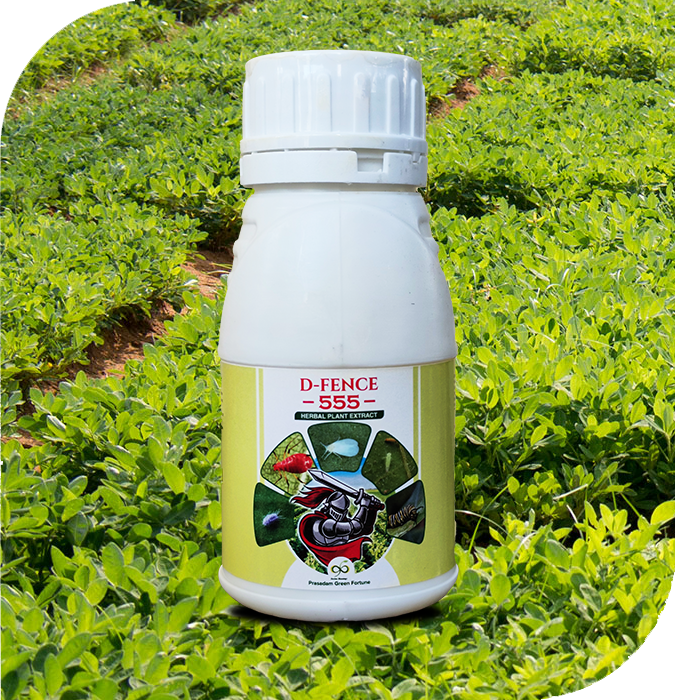
Protecting Crops Effectively: D-FENCE 555’s Revolutionary Pest Repellent Formula
Introduction to D-Fence-555 D-Fence-555 represents a significant advancement in the realm of pest control solutions. Designed specifically to address a wide range of pest issues, this innovative product utilizes a unique formulation that distinguishes it from conventional pest control methods. As the necessity for effective pest management grows, D-Fence-555 emerges as a reliable alternative, providing peace of mind to homeowners and businesses alike. At its core, D-Fence-555 integrates advanced technology with eco-friendly ingredients, offering a superior approach to pest elimination. This product not only targets common pests such as ants, cockroaches, and termites but also effectively deters them from returning. The unique blend of active ingredients works synergistically, ensuring that pests are not only eradicated but also discouraged from reinvading the treated areas. One of the key aspects that sets D-Fence-555 apart from traditional pest control products is its long-lasting protective barrier. Unlike many options that provide only temporary relief, D-Fence-555’s formulation establishes a durable shield that persists over time, significantly reducing the need for frequent reapplications. This feature not only enhances the effectiveness of pest control efforts but also offers a practical solution for busy households or businesses, where time and maintenance resources may be limited. Furthermore, D-Fence-555 is formulated with safety in mind. It minimizes risks to humans and pets while maintaining a high level of potency against pests. Users can deploy this advanced pest control formula with confidence, knowing that it provides a safe alternative without compromising on performance. With its innovative approach and commitment to efficiency, D-Fence-555 is poised to revolutionize the pest control market, making it an essential tool for effective pest management. Understanding Anti-Feeding Properties D-Fence-555 is an innovative solution in the realm of pest control, primarily recognized for its remarkable anti-feeding properties. This product operates by targeting specific taste receptors in various pests, effectively disrupting their sensory perception. The underlying mechanism involves the interaction of the active ingredients in D-Fence-555 with the gustatory systems of pests, such as insects, thereby altering their feeding behavior. When pests come into contact with treated surfaces, the formulation renders the plants unpalatable, prompting the insects to refrain from consuming valuable crops. The scientific principle behind these anti-feeding properties lies in the disruption of the chemoreceptive pathways that pests utilize to identify food sources. D-Fence-555 introduces compounds that inhibit the pests’ ability to perceive certain flavors, which are essential for their feeding decisions. As a result, the pests experience a significant change in their feeding habits, leading to reduced crop damage. By effectively making the plants undesirable, D-Fence-555 plays a pivotal role in sustainable agricultural practices, minimizing the need for chemical pesticides that can adversely affect the ecosystem. Additionally, the anti-feeding properties of D-Fence-555 contribute to an indirect but vital impact on pest populations. As pests are deterred from feeding, it results in a decrease in reproduction rates, allowing farmers to manage pest populations more effectively over time. This holistic approach enhances overall crop protection, ensuring that agricultural yields are safeguarded against pest invasions. By understanding and leveraging the anti-feeding properties of D-Fence-555, farmers can adopt advanced pest management strategies that prioritize both crop health and environmental safety. Broad-Spectrum Pest Coverage D-Fence-555 stands out in the realm of pest control solutions due to its broad-spectrum capabilities, offering effective management of a wide variety of pests. One of the key advantages of D-Fence-555 is its comprehensive coverage, which includes numerous challenging pests commonly found in agricultural and horticultural settings. Users can effectively target thrips, jasids, aphids, mealybugs, whitefly, mites, hoppers, moths, and caterpillars, among others. This versatility provides a significant advantage, especially for growers who face multiple pest pressures throughout the growing season. The management of pests is critical to ensuring healthy plant growth and maintaining crop yields. Each pest presents unique challenges and potential damage to plants, which can lead to substantial economic losses if left unchecked. D-Fence-555’s formulation is designed to disrupt the life cycles of these pests, ensuring that they are controlled at various stages of development, whether as eggs, larvae, or adults. This multi-pronged approach not only curbs existing infestations but also helps in preventing future outbreaks. Moreover, the broad-spectrum nature of D-Fence-555 reduces the need for multiple treatment applications targeting specific pests. This singular product can simplify pest management strategies while maintaining high levels of efficacy. As a result, it not only saves time and resources for farmers and gardeners but also minimizes the risks associated with using an array of different chemicals. Overall, the ability to manage a diverse spectrum of pests efficiently with D-Fence-555 reinforces its position as a vital tool in integrated pest management, simplifying the complexities often faced in pest control. Effective Animal Repellent Features D-Fence-555 stands out in the realm of pest control due to its robust animal repellent features, specifically designed to safeguard crops from various wildlife threats. This innovative product effectively deters a range of animals, including monkeys, deer, wild boars, buffaloes, and mice, which are known to cause significant damage to agricultural lands. Its formulation is crafted to create an unwelcoming environment for these species, acting as a barrier against their intrusion. One of the key aspects of D-Fence-555 is its multifaceted approach to animal repulsion. The product is based on naturally derived ingredients that emit odors or tastes which are unpleasant to target animals. This biological deterrent not only minimizes crop loss but also ensures that the surrounding ecosystem remains undisturbed. Protecting crops from these animal intrusions is crucial for farmers, as wildlife can completely devastate fields, leading to financial losses and decreased yields. Moreover, the versatility of D-Fence-555 as an animal repellent transcends mere functionality; it is also user-friendly. Farmers can apply it conveniently across varying terrains, ensuring an even distribution that enhances protection. The prolonged effectiveness of this product means less frequent applications, which is a beneficial aspect for those managing large agricultural spaces. By integrating D-Fence-555 into their pest control strategies, farmers gain a comprehensive tool that addresses both insect pests and larger animal threats. Incorporating effective animal repellent properties like
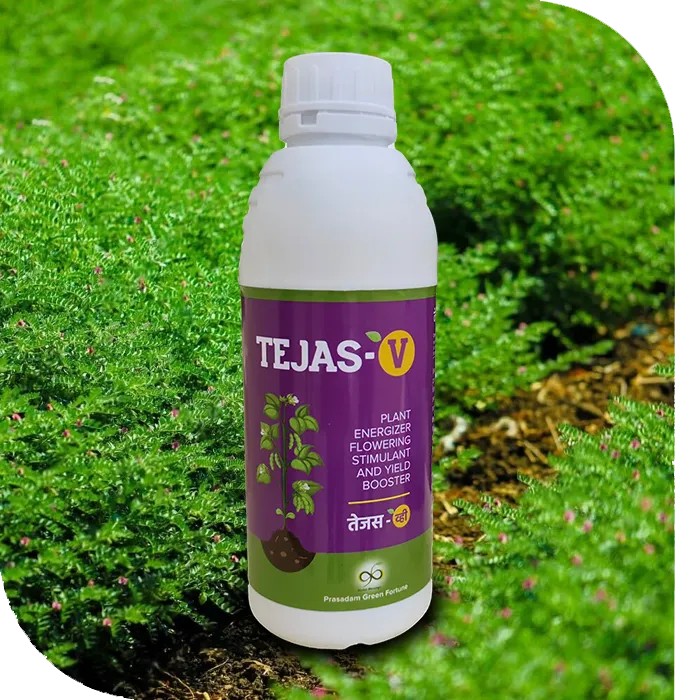
TEJAS-V: Unlocking the Potential of Herbal Oil for Sustainable Farming
Introduction to Herbal Oil-Based Products Herbal oil-based products have emerged as a significant innovation in sustainable agriculture, offering numerous advantages over synthetic alternatives. These products are derived from natural sources, often emphasizing the use of herbs and plants known for their beneficial properties. As the global farming community increasingly shifts towards organic practices, the adoption of herbal oils has gained momentum, driven by a growing consumer demand for natural and eco-friendly solutions. One of the primary benefits of herbal oil-based products is their ability to enhance crop growth and yield. Natural components found in these oils often contain essential nutrients and compounds that promote plant health, leading to robust and resilient crops. For example, certain herbal oils can act as natural fertilizers, providing vital elements that support optimal growth. By integrating these oils into agricultural practices, farmers can effectively improve their yields while reducing their dependence on chemical fertilizers that can have negative environmental impacts. The use of herbal oil-based products also contributes to healthier ecosystems. Unlike synthetic chemicals, which may cause soil degradation and harm beneficial organisms, herbal oils can enhance soil quality and encourage biodiversity. They often serve as natural pest repellents, minimizing the need for harmful pesticides and fostering a balanced ecosystem that promotes not only plant health but also the well-being of surrounding wildlife. In summary, herbal oil-based products represent a promising approach to sustainable agriculture. By leveraging the inherent properties of natural ingredients, these products not only improve crop growth and yield but also support healthier ecosystems. The shift towards organic farming practices is indicative of a broader commitment to sustainability, with herbal oils playing a pivotal role in this transformative movement. What is Tejas-V? Tejas-V is a novel agricultural product designed to enhance crop growth and yield through the utilization of herbal oils and vegetable proteins. Its formulation comprises 20% herbal oil, which is derived from a blend of various natural plant extracts, and the remaining composition consists of vegetable proteins that serve as essential nutrients for plants. This unique combination not only promotes healthier plant development but also ensures sustainable practices in agriculture. The formulation of Tejas-V is based on extensive research aimed at discovering natural alternatives to conventional fertilizers. Traditional fertilizers often rely on chemical compounds that can be harmful to the soil and surrounding ecosystem over time. In contrast, Tejas-V leverages the benefits of herbal oils, known for their bioactive properties that stimulate plant growth, improve soil health, and enhance nutrient uptake. The vegetable proteins included in its makeup help in the gradual release of nutrients, ensuring that crops receive an adequate supply throughout their growth cycle. Research has demonstrated that Tejas-V significantly increases crop yield compared to traditional fertilizers. The herbal oil component assists in mitigating stress caused by environmental factors such as drought and disease, while the vegetable proteins bolster overall plant vigor. This dual approach not only supports immediate crop requirements but also fosters long-term soil fertility and resilience. Farmers adopting Tejas-V can expect not only improved productivity but also healthier crop ecosystems that are less reliant on synthetic intermediaries. Overall, Tejas-V presents a compelling alternative to conventional fertilization methods, harnessing the power of nature to support agricultural needs while promoting environmental sustainability. Its innovative formulation aims to meet the evolving demands of modern agriculture and supports organic farming initiatives. Benefits of Tejas-V in Enhancing Canopy Growth Tejas-V, an innovative herbal oil-based product, plays a pivotal role in enhancing canopy growth, which is essential for optimizing crop yield. One of the primary advantages of using Tejas-V is its ability to stimulate robust leaf and branch development. This is particularly significant, as a denser and fuller canopy allows plants to capture a greater amount of sunlight, which directly contributes to improved photosynthesis. Enhanced photosynthesis leads to increased energy production, ultimately benefiting the overall health and growth of the crops. The formulation of Tejas-V incorporates specific herbal extracts that encourage a substantial increase in leaf area. This increased leaf surface not only aids in maximizing light absorption but also facilitates better air circulation within the plant. As a result, plants treated with Tejas-V demonstrate an impressive resilience to environmental stressors, making them better equipped to withstand fluctuations in temperature and humidity. The enhanced canopy growth fosters a microclimate within the crop, leading to optimal conditions for growth, further contributing to the vitality of the plants. Moreover, Tejas-V promotes the development of lateral branching, which plays an essential role in achieving a fuller canopy. This branching not only creates a more robust structure for the plant but also helps in increasing the overall fruit or flower production as more reproductive sites become accessible. The thicker canopy created by the application of Tejas-V is associated with improved nutrient uptake, as the extensive root systems become more effective in reaching moisture and nutrients in the soil. In summary, the benefits of Tejas-V in enhancing canopy growth are manifold. By fostering the development of leaves and branches, this herbal oil-based product not only optimizes light capture and improves photosynthesis but also contributes to healthier and more productive crops capable of thriving in diverse environments. Inducing Flowering with Tejas-V Flowering is a critical phase in the crop lifecycle that significantly influences overall yield potential. During this process, plants transition from vegetative growth to reproductive development, culminating in the formation of flowers and subsequent fruit or seed production. The timing and quality of flowering can determine the success of a crop, and optimizing this aspect is essential for agricultural productivity. Tejas-V, an innovative herbal oil-based product, has emerged as an effective solution for inducing flowering in various crops. The active components in Tejas-V work synergistically to enhance physiological processes within plants, promoting vibrant and earlier flowering. This can be particularly beneficial in agricultural systems facing unpredictable climatic conditions, where timely flowering is crucial for maximizing the harvest window. By stimulating the production of specific hormones and signaling pathways in plants, Tejas-V encourages the transition from vegetative to reproductive growth phases, thereby facilitating the formation of
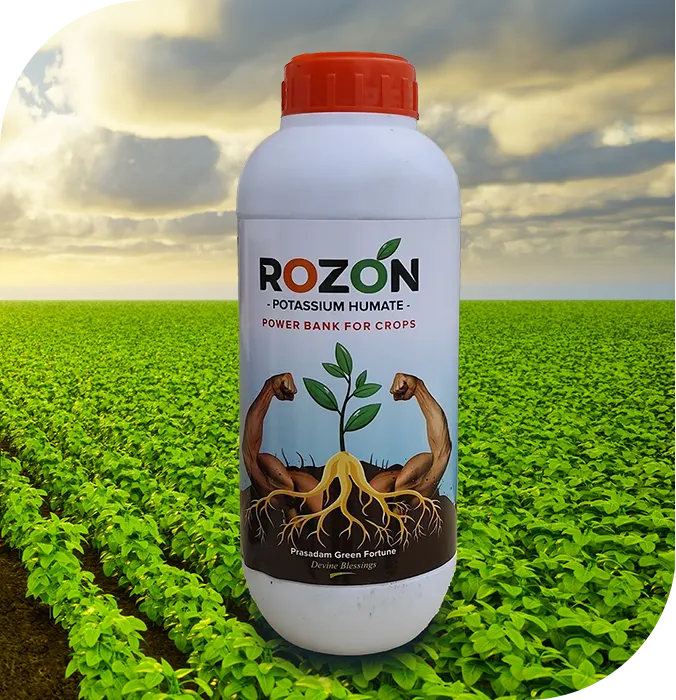
The Science Behind Rozon: Transforming Plant Growth and Resilience
Introduction to Rozon Rozon is a groundbreaking nutrient solution that has rapidly gained traction in the agricultural sector since its inception. Developed through a combination of advanced biochemistry and agricultural science, Rozon offers an innovative approach to enhancing crop yield and quality. The formulation is based on a proprietary blend of natural ingredients and bioactive compounds aimed at optimizing nutrient uptake in plants. This feature addresses a critical challenge faced by farmers: ensuring that crops have access to the essential nutrients necessary for growth, particularly in nutrient-deficient soils. The significance of Rozon in modern agriculture cannot be overstated. As farming needs evolve, driven by global population growth and the demands for increased food production, traditional farming practices alone are often insufficient. Rozon steps in as a viable alternative, providing farmers with a resource that promises to improve soil health and, subsequently, plant productivity. With its unique formulation, Rozon caters to a diverse range of agricultural applications, from large-scale farming operations to smaller, community-based gardens. One of the key benefits of Rozon is its ability to enhance nutrient bioavailability. This characteristic ensures that essential elements such as nitrogen, phosphorus, and potassium are easily accessible to plants, promoting more efficient growth processes. Furthermore, Rozon supports beneficial microbial activity in the soil, creating a balanced ecosystem that sustains plant health. The product’s environmentally friendly profile also aligns with the increasing demand for sustainable agriculture, providing a pathway for farmers to adopt practices that are both economically viable and ecologically responsible. Overall, Rozon represents a significant advancement in agricultural nutrient solutions, addressing the complex challenges of modern farming while promoting a sustainable approach towards food production. As we delve into its unique properties and benefits, it becomes evident that Rozon is not merely a product but a transformative solution for the agricultural landscape. Unique Properties of Rozon Rozon stands out as an innovative nutrient solution that significantly benefits agricultural practices due to its distinct chemical and biological properties. One of its primary components is a range of organic compounds that contribute to improved soil structure. These compounds enhance soil aeration and water retention, enabling better root development and fostering a healthy growing environment. The presence of these properties helps create a conducive atmosphere for microorganisms that play a crucial role in nutrient cycling. In addition to its beneficial soil interactions, Rozon contains bioactive substances that improve the plant’s nutrient uptake efficiency. This is achieved through the enhancement of the plant’s cell membrane permeability, which facilitates the absorption of essential nutrients such as nitrogen, phosphorus, and potassium. The incorporation of Rozon into agricultural practices ensures that plants can maximize their nutrient intake, thereby driving growth and productivity. Moreover, the biological properties of Rozon contribute to increased resilience against abiotic stresses. By fortifying plant defenses, Rozon aids in improving tolerance to adverse conditions such as drought and salinity. Consequently, plants treated with Rozon exhibit enhanced vigor and vitality, allowing for more robust yields during challenging environmental conditions. This resilience is critical in modern agriculture, where the impact of climate change is increasingly felt. The synergistic effects of Rozon’s properties make it a valuable asset for agriculture. By improving both the physical and biochemical aspects of soil and plant health, Rozon serves to enhance productivity in a sustainable manner. As agricultural practices evolve, the implementation of innovative solutions like Rozon will be essential for meeting the growing demand for food without compromising environmental integrity. Enhancing Nutrient Uptake with Rozon Efficient nutrient uptake is crucial for plant growth and maximizing crop yield. Rozon, a cutting-edge agricultural solution, plays a significant role in improving how plants absorb essential nutrients from the soil. The innovative formulations utilized in Rozon contain compounds that enhance the physiological processes involved in nutrient uptake, ensuring that plants make the most of available resources. The mechanism behind Rozon’s effectiveness lies in its ability to promote root development. A robust root system increases the surface area through which nutrients are absorbed, directly impacting a plant’s ability to access water and key minerals. By stimulating root hair proliferation and elongation, Rozon ensures that plants can reach deeper soil layers, where nutrients may be more concentrated. Additionally, the product enhances the production of root exudates—substances that encourage beneficial microbial activity in the rhizosphere, creating a symbiotic relationship that further aids nutrient absorption. Research supports the claims regarding Rozon’s efficacy. Various studies have demonstrated that using Rozon leads to significant increases in nutrient uptake, evidenced by higher levels of essential minerals such as nitrogen, phosphorus, and potassium within plant tissues. These findings emphasize the role of Rozon in optimizing nutrient availability, thereby promoting healthier plant growth and improving overall crop yield. Moreover, this enhancement in nutrient uptake correlates with improved resistance to environmental stressors, which is an essential factor in sustainable agriculture. Incorporating Rozon into agricultural practices can yield tangible benefits for farmers. By promoting more effective nutrient absorption, this innovative solution not only boosts individual plant health but also contributes to greater agricultural productivity as a whole. The importance of nutrient uptake cannot be overstated, as it is a key determinant of crop success in our ever-evolving agricultural landscape. Inducing Early Maturity in Crops Early crop maturity is a pivotal aspect of modern agricultural practices. Rozon, an innovative nutrient solution, plays a significant role in accelerating the maturation process in various crops. By promoting physiological changes within the plant, Rozon enhances the speed at which crops reach their maturity stage, thereby offering farmers the opportunity to optimize their yield per growing season. The science behind Rozon’s effectiveness lies in its unique formulation of nutrients that support critical growth functions. Nutrients such as nitrogen, phosphorus, and potassium are essential in driving early development phases. When applied appropriately, Rozon stimulates root development and enhances nutrient uptake, which ultimately leads to healthier plants that mature faster than those treated with conventional fertilizers. Moreover, the enhanced nutrient absorption helps in improving the overall vigor of the crops. The benefits of achieving early maturity in crops extend beyond simply reducing the time