
Introduction to Natural and Research-Based Agricultural Products
In recent years, the agricultural sector has increasingly turned towards natural and research-based products as a means of fostering sustainable farming practices. These products, derived from organic sources or developed through rigorous scientific research, play a crucial role in enhancing crop yields while minimizing environmental impact. As the global population continues to rise and the demand for food becomes more pressing, the urgency for innovative agricultural solutions has never been greater.
Natural agricultural products, such as organic fertilizers and biopesticides, offer environmentally friendly alternatives to conventional chemicals. Unlike synthetic options, these products are often biodegradable and pose less risk to non-target organisms, including beneficial insects and microbial populations in the soil. This way, farming practices that utilize natural inputs can help restore ecological balance, promote biodiversity, and improve soil health, leading to a more resilient agricultural system.
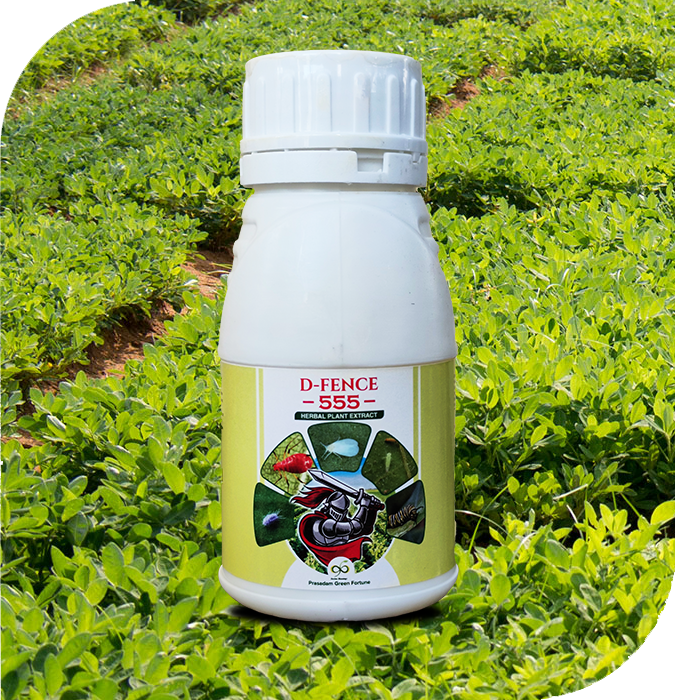
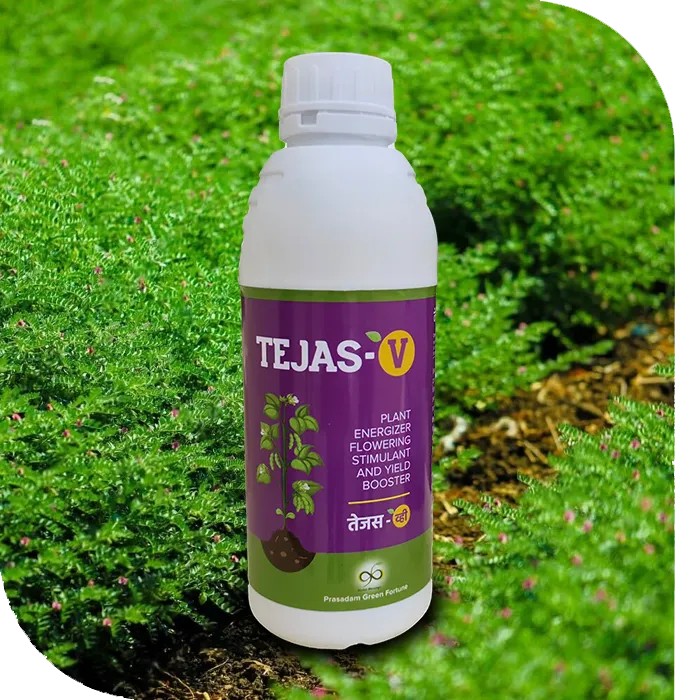
Research-based agricultural products, on the other hand, are the result of extensive scientific investigation and technological advancements. Tools such as advanced precision farming techniques and genetically improved seed varieties exemplify this trend. By integrating science with traditional farming knowledge, these products are designed to address specific challenges faced by farmers, such as pest resistance, soil fertility, and climate variability. For instance, products like Aura, Rozon, Tejas-V, and D-Fence-555 have been developed to provide targeted solutions that enhance productivity while ensuring sustainable practices.
The significance of combining natural elements with research-based approaches cannot be overstated. This synergy not only maximizes crop output but also supports the overall health of the ecosystem. By embracing these progressive methods, farmers can cultivate a more sustainable future, ensuring food security while preserving the environment for generations to come. The ongoing evolution of these products will be further explored in the subsequent sections of this blog post.
Understanding the Role of Natural Products in Sustainable Farming
Natural products play a pivotal role in promoting sustainable farming practices. By their very nature, these products are derived from organic sources and are often less harmful to the environment compared to synthetic alternatives. One of the primary contributions of natural products to sustainable agriculture is their ability to maintain and enhance soil health. Healthy soil is essential for crop production, as it serves as the foundation for nutrient availability and water retention. Natural amendments, such as compost and cover crops, improve soil structure and enrich nutrient profiles, fostering an ecosystem conducive to robust plant growth.
Moreover, the use of natural products significantly reduces reliance on chemical inputs, which can lead to soil degradation and declining biodiversity. Chemical fertilizers and pesticides often disrupt the natural balance of ecosystems, harming beneficial organisms while promoting pest resistance. By incorporating natural fertilizers and pest control methods, such as neem oil or beneficial insects, farmers can cultivate crops in a manner that sustains both agricultural productivity and ecological health.
Furthermore, the implementation of natural products can promote biodiversity within farming systems. Natural products encourage the presence of a variety of organisms, including soil microbes, earthworms, and above-ground pollinators, all crucial for a resilient agricultural ecosystem. For instance, planting diverse cover crops can draw beneficial insects that pollinate crops, leading to healthier and more abundant yield. This approach enhances not only crop quality but also promotes a balanced environment that supports other wildlife.
In summary, the integration of natural products in sustainable farming is critical for maintaining soil health, reducing harmful chemical inputs, and fostering biodiversity. These practices not only lead to healthier crops but also support the overall well-being of ecological systems, highlighting the importance of natural and research-based products in agricultural sustainability.
Aura: Promoting Uniform Growth in Crops
Aura is a cutting-edge product designed to enhance uniform growth in crops, significantly impacting agricultural productivity. This innovative solution embodies the principles of research-based agricultural methods, using natural ingredients that work synergistically with plant biology. The fundamental mechanism of action involves promoting balanced nutrient uptake and fostering healthier root systems, allowing plants to access essential minerals more effectively.
Implementing Aura into a crop cultivation regimen involves various application techniques tailored to specific farming conditions. Farmers can apply Aura as a foliar spray or through soil treatment, depending on the crop type and growth stage. The flexibility of application ensures that farmers can incorporate it seamlessly into their existing agricultural practices, leading to minimal disruption while maximizing its benefits. The recommended dosage is typically determined based on the crop and nutrient requirements, ensuring that farmers achieve optimal results without overuse.
The benefits of using Aura are numerous. Firstly, the product contributes to increased yield by ensuring that crops grow uniformly and robustly. Uniform growth not only allows for easier harvesting but also results in improved crop quality, enhancing marketability. Additionally, crops that benefit from Aura show increased resilience to environmental stress, such as drought or pest pressures, further solidifying the value of this research-based product. By encouraging consistent growth patterns, farmers can also better plan their harvest cycles, leading to improved economic outcomes.
Farmers adopting Aura into their cultivation strategies are likely to notice a transformative impact on their agricultural practices, marked by healthier crops, higher yields, and an overall improvement in sustainability. As the agricultural sector continues to evolve, products like Aura stand out as vital solutions that align with the goal of sustainable and efficient farming.
Rozon: Enhancing Pest Management Strategies
Rozon has emerged as an effective natural pest management product that addresses the challenges posed by common agricultural pests. Its formulation is designed to combat a variety of pests while minimizing adverse environmental impacts. This is a significant advantage, especially in an era where sustainable practices are pivotal in agriculture. By utilizing Rozon, farmers are able to manage pest populations without resorting to synthetic chemicals, thereby promoting a healthier ecosystem.
A key aspect of Rozon’s effectiveness lies in its active ingredients, which target pests such as aphids, spider mites, and thrips. Research indicates that these biologically based components disrupt the life cycles of these insects, reducing their populations without causing harmful side effects on beneficial organisms. This not only preserves the agricultural biodiversity essential for a balanced ecosystem but also supports the principles of integrated pest management (IPM).
Environmental safety is paramount in modern agriculture, and Rozon’s formulation aligns with this principle. It is designed to minimize residues in the soil and water, promoting the sustainability of farming practices. Consequently, Rozon has gained recognition for its compatibility with various IPM strategies. Farmers can integrate it easily with other pest management tools, ensuring a holistic approach that enhances crop productivity while safeguarding the environment.
Numerous success stories from farmers underscore Rozon’s effectiveness in real-world applications. Many have reported significant reductions in pest populations after implementing Rozon as part of their pest management strategies. These testimonials highlight not only the product’s efficacy but also its economic benefits, as farmers have experienced improved yields and reduced pest-related losses. By incorporating Rozon into their practices, they are contributing to a sustainable agricultural system that prioritizes natural solutions for pest control.
Tejas-V: A Solution for Nutrient Management
Tejas-V represents a significant advancement in nutrient management within agricultural practices, focusing on enhancing soil fertility while promoting sustainable farming approaches. This innovative product is designed to improve the bioavailability of essential nutrients, which in turn synergizes with soil microorganisms to foster a healthier ecosystem. By utilizing Tejas-V, farmers can ensure that vital nutrients are readily accessible to crops, thereby optimizing growth and productivity.
The formulation of Tejas-V incorporates natural ingredients that not only encourage robust soil health but also facilitate superior nutrient uptake in plants. As crops absorb nutrients more effectively, they exhibit improved growth characteristics, including increased yields and enhanced resilience against pests and diseases. This holistic approach to nutrient management reduces the dependency on chemical fertilizers, which often lead to soil degradation and environmental concerns. In contrast, Tejas-V enriches the soil’s biological activity, creating a balanced and sustainable agricultural system.
Furthermore, Tejas-V supports nutrient management strategies that are tailored to specific soil characteristics and crop requirements. By integrating this product into their farming systems, producers can monitor and manage nutrient dynamics efficiently. This proactive approach not only enhances overall agricultural productivity but also contributes to the resilience of food systems in the face of climate challenges.
In essence, Tejas-V emerges as a strategic solution, bridging the gap between high productivity and sustainable farming practices, reaffirming the importance of using natural and research-based products in modern agriculture.
D-Fence-555: Boosting Crop Resilience
D-Fence-555 is a cutting-edge product designed to enhance crop resilience, particularly under abiotic stress conditions such as drought, high salinity, and extreme temperatures. It functions by activating specific physiological pathways in plants that are crucial for stress tolerance. By improving the plant’s ability to manage water use and nutrient uptake, D-Fence-555 ultimately contributes to better crop yields and overall health. Understanding the mechanisms behind D-Fence-555 allows agricultural professionals to make informed decisions that align with sustainable farming practices.
One of the primary advantages of D-Fence-555 is its role in bolstering drought resistance in crops. During periods of insufficient rainfall, plants often struggle to maintain optimal physiological function, leading to wilting and decreased productivity. D-Fence-555 helps plants adapt to these challenging conditions by enhancing their root system architecture, allowing for more efficient water absorption. This results in crops that can survive longer without irrigation, ultimately benefiting farmers in regions susceptible to water scarcity.
Additionally, D-Fence-555 promotes stress tolerance mechanisms that safeguard plants from various environmental stresses. For instance, it can stimulate the production of protective compounds like proline and other osmolytes that help stabilize proteins and cellular structures. These compounds not only aid in cellular hydration but also enhance the plant’s overall resilience to fluctuating environmental conditions.
Furthermore, D-Fence-555 plays a significant role in improving overall plant health. By ensuring that crops are better equipped to handle both biotic and abiotic stresses, this product minimizes the need for excessive pesticide and nutrient applications, aligning with modern strategies aimed at reducing chemical inputs in agriculture. As farmers increasingly seek sustainable solutions, D-Fence-555 represents an important advancement that not only boosts crop resilience but also contributes to the long-term economic viability of agricultural practices.
Compatibility of Natural Products with Modern Agricultural Techniques
The integration of natural and research-based products with modern agricultural techniques represents a significant evolution in farming practices. As agriculture increasingly adopts precision farming and organic farming methods, the need for products that enhance these approaches has become paramount. Natural products are formulated from organic materials and biological inputs, making them not only effective but also environmentally responsible. They can be seamlessly incorporated into advanced farming systems, leading to improved crop yield and better soil health.
Precision farming relies on data-driven techniques to optimize field-level management with regards to crop farming. Utilizing natural products aligns perfectly with this methodology; they can be tailored to the specific needs identified through data collection, allowing for targeted application that conserves resources. These products, which include biopesticides and biofertilizers, contribute to enhanced nutrient availability and pest control, thus minimizing chemical runoff and promoting sustainable practices. This compatibility ensures that farmers can maintain productivity while adhering to environmentally friendly principles.
In organic farming, the use of natural inputs is not just compatible but required. Research-based natural products play a crucial role in this organic system by providing effective alternatives to synthetic chemicals. By employing these products, organic farmers can enhance ecosystem resilience and promote biodiversity, all while achieving satisfactory yields. As modern agriculture evolves, the synergy between natural and research-based products and sustainable practices becomes increasingly vital. With ongoing advancements in agricultural technology, the potential for these products to support innovative farming techniques is promising, ensuring that farmers can maximize their output responsibly.
Comparative Analysis: Natural vs. Synthetic Products
The ongoing debate surrounding agricultural products often contrasts natural and synthetic solutions, presenting compelling arguments on both sides. Natural products, derived from organic sources, are increasingly lauded for their minimal environmental impact and support for long-term soil health. Research indicates that these products foster diverse ecosystems, enhance biodiversity, and contribute to sustainable agricultural practices. Studies have shown that organic farming, which primarily utilizes natural fertilization and pest control methods, promotes soil microbe populations, leading to enhanced nutrient cycling and overall soil vitality.
In contrast, synthetic products—commonly comprising artificial fertilizers and pesticides—have demonstrated immediate agricultural productivity benefits. However, their usage has raised significant concerns about environmental degradation. The leaching of synthetic chemicals into waterways can lead to pollution, altering aquatic habitats and threatening marine life. Furthermore, reliance on such products often results in soil degradation over time, diminishing its inherent fertility and increasing susceptibility to erosion. This deterioration can inadvertently lead to reduced agricultural yields in the long run, posing a risk to food security.
Moreover, recent case studies illustrate the potential of natural products to mitigate climate change effects. They contribute to carbon sequestration, thus lowering greenhouse gas emissions. Research conducted across various regions has shown how natural practices, such as crop rotation and the use of compost, can enhance soil structure and water retention, leading to more resilient farming systems. In evaluating the broader implications, it becomes clear that adopting natural products can lead to sustainable practices, ensuring agricultural productivity while safeguarding environmental health.
Ultimately, while synthetic products may offer short-term benefits, the long-term advantages of natural alternatives are increasingly recognized as essential for sustainable agriculture. The transition towards natural and research-based products not only supports healthier ecosystems but also prioritizes the well-being of future agricultural practices.
Conclusion: The Future of Agriculture Lies in Sustainability
As the agricultural sector progresses, the need for sustainable practices becomes increasingly evident. Embracing natural and research-based products is not merely a trend but a necessity for fostering a resilient agricultural future. The integration of these products facilitates the production of healthier crops while significantly reducing the environmental impact associated with conventional farming practices. By prioritizing methods that minimize chemical inputs and harness the power of nature, farmers can achieve productive yields while safeguarding ecosystems.
Naturally derived products, such as organic fertilizers and biopesticides, play a pivotal role in promoting soil health and biodiversity. These solutions are not only effective in pest management but also support beneficial microorganisms that enhance soil fertility. Research-based innovations, such as improved crop varieties and precision agriculture technologies, further amplify the potential of sustainable farming. These advancements allow farmers to optimize resource usage, reduce waste, and ultimately lower production costs, thereby promoting economic viability.
Moreover, the adoption of sustainable agricultural practices benefits not just individual farmers but the agricultural community as a whole. By creating a more resilient food system, these approaches contribute to food security and reduce dependency on synthetic inputs, which can deplete natural resources. Additionally, sustainable practices can enhance a farmer’s marketability, as consumers increasingly seek eco-friendly products. This shift toward natural alternatives can indeed pave the way for better economic returns.
In conclusion, the future of agriculture hinges on the widespread acceptance of natural and research-based products. Transitioning towards sustainable practices not only addresses the pressing challenges posed by climate change but also fosters a harmonious relationship between agriculture and the environment. As stakeholders in the agricultural sector begin to recognize this crucial alignment, the push for sustainability will significantly reshape both the landscape of farming and the health of our planet.